
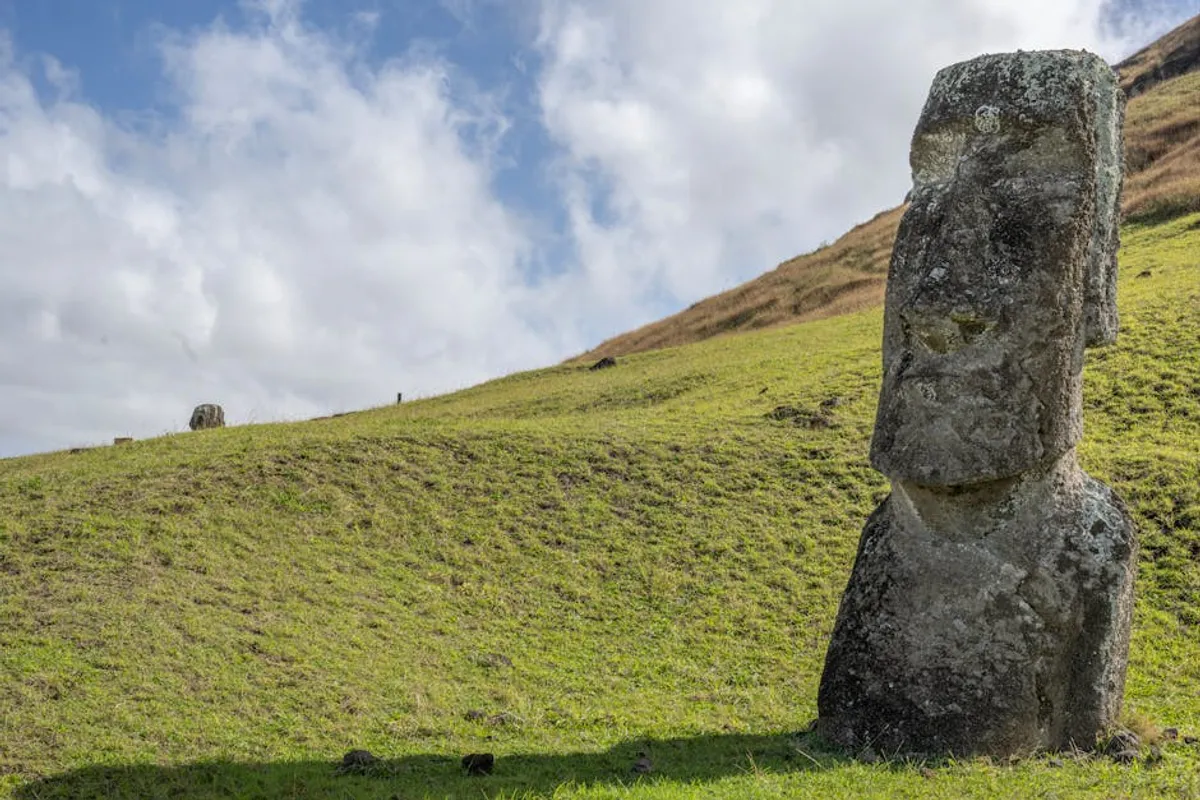
The Moai statues of Rapa Nui, commonly known as Easter Island, represent one of humanity's most compelling archaeological mysteries and artistic achievements. These monolithic human figures, carved by the Rapa Nui people between 1250 and 1500 CE, are more than mere sculptures; they are profound cultural artifacts embodying complex spiritual beliefs, social structures, and engineering prowess. Understanding the Moai requires a detailed examination of their symbolic meaning, the distinctive stylistic elements that define them, their intricate historical context, and a visual appreciation of their varied forms. This guide provides a comprehensive overview, moving beyond popular misconceptions to present the archaeological and anthropological understanding of these iconic figures.
The Enduring Meaning of Moai
The primary purpose of the Moai was to serve as ahu, typically along the coastline and facing inland, was deliberate:
- Ancestral Guardianship: Each Moai was believed to embody the spiritual power, or mana, of the ancestor it represented. This mana was thought to protect the community and ensure its prosperity, including bountiful harvests and successful fishing. By facing inland, they watched over their descendants and the villages, rather than gazing out to sea.
- Social and Political Power: The size and number of Moai erected by a clan directly reflected its status, wealth, and influence. The competitive building of larger and more numerous statues became a display of power, demanding significant resources and labor, which in turn reinforced the authority of the chiefs who commissioned them.
- Cosmological Alignment: Their orientation was also tied to cosmological beliefs, connecting the ancestors with the land, the sky, and the community's well-being. The act of raising a Moai was a sacred ritual, bringing the ancestor's spirit to life and integrating it into the community's spiritual landscape.
Distinctive Style and Engineering
The stylistic consistency of Moai, despite variations in size, points to a shared artistic tradition and a highly skilled class of carvers. Most Moai were carved from tuff, a compressed volcanic ash, found in the Rano Raraku quarry. Key stylistic elements include:
- Elongated Features: Characterized by prominent, heavy brows, deep-set eye sockets (originally inlaid with white coral and obsidian pupils, added only after the statue was erected), long, straight noses, and thin, pursed lips. The ears are often elongated, reaching down to the shoulder.
- Torso and Arms: The statues typically consist of a head and torso, often terminating at the waist, though some show full bodies. The arms are pressed against the body, with hands meeting over the abdomen or hips, often with fingers touching. Legs are rarely depicted.
- Pukao (Topknots): Many Moai, particularly those from the later periods, are adorned with pukao – large, cylindrical red scoria stones placed on their heads. These are interpreted as representing a topknot of hair, a headdress, or a ceremonial hat, signifying high status or spiritual importance. The red color of the scoria, quarried from Puna Pau, held particular sacred significance.
The engineering feat of carving and transporting these colossal figures is staggering. At Rano Raraku, carvers used basalt hand picks (toki) to shape the statues while they were still attached to the bedrock. Once detached, they were slid down the quarry slopes and then transported several kilometers to their respective ahu platforms. Theories for transportation range from rolling them on log rollers, using sledges, or "walking" them upright using ropes and a rocking motion – a method that has been successfully demonstrated in experimental archaeology.
A History Carved in Stone
The history of the Moai is intertwined with the rise and fall of Rapa Nui society:
- Early Period (c. 1000-1100 CE): Initial Polynesian settlement of Rapa Nui. Early Moai were smaller and simpler, reflecting nascent societal organization.
- Middle Period (c. 1100-1600 CE): This was the zenith of Moai carving. Population grew, clans flourished, and competition spurred the creation of increasingly larger and more elaborate statues, along with the construction of massive ahu. This period saw the development of the classic Moai style.
- Late Period (c. 1600-1800 CE): Environmental degradation, primarily deforestation, led to resource scarcity and societal collapse. Inter-clan warfare intensified, and the practice of toppling rival clans' Moai became common. This act, known as huri moai, symbolized the destruction of an enemy's spiritual power and lineage. By the time European explorers arrived in the 18th century, many Moai were already fallen, and the Birdman Cult (Tangata Manu) had largely replaced ancestor worship.
- Modern Era: European contact brought disease and slave raids, further devastating the Rapa Nui population. In the 20th century, archaeological expeditions, notably Thor Heyerdahl's Kon-Tiki expedition, initiated efforts to re-erect and restore many Moai, preserving them for future generations.
Visual Guide: Recognizing Moai Variations
While a distinct style unifies the Moai, variations exist based on their age, completion status, and location. A visual guide helps in appreciating these nuances:
- Quarry Moai (Rano Raraku): Approximately 400 Moai remain in the Rano Raraku quarry, many unfinished and still attached to the rock face. These offer a unique insight into the carving process, showing various stages of completion. They appear to be embedded in the ground, often only revealing their heads, but excavations show full torsos beneath.
- Ahu Moai: Statues erected on ahu platforms. These are the "completed" Moai, often with eye sockets carved and, in some cases, pukao. They stand upright, facing inland. Notable examples include Ahu Tongariki, with its fifteen towering Moai, and Ahu Akivi, the only Moai platform whose statues face the sea (though this is an anomaly, possibly linked to astronomical alignment).
- Fallen Moai: Numerous Moai lie face down or face up across the island, testament to the huri moai period. Their broken features and dislodged pukao tell a story of conflict and cultural shift.
- Stylistic Evolution: Earlier Moai tend to be smaller and less refined, while later examples are larger, more imposing, and exhibit the classic elongated features and more detailed carving.
Pro Tip: When observing Moai, pay close attention to the details of their faces, particularly the eye sockets. The presence or absence of inlaid eyes (coral and obsidian) signifies whether the statue was considered "activated" and imbued with spiritual power. Unfinished Moai in the quarry never received these eyes, as they were never fully "brought to life."
Enduring Legacy and Interpretation
The Moai statues stand as a powerful testament to the ingenuity, artistic skill, and complex societal structures of the ancient Rapa Nui people. Their creation and eventual toppling offer a stark narrative of human ambition, resource management, and the fragility of isolated ecosystems. Today, they continue to captivate global imagination, prompting ongoing archaeological research into their precise methods of creation, transportation, and the full scope of their cultural significance. They remain a symbol of both human achievement and the profound consequences of environmental and social collapse, prompting reflection on our own relationship with resources and community.
Frequently Asked Questions
What are Moai statues?
Moai are monolithic human figures carved by the Rapa Nui people on Easter Island (Rapa Nui) between 1250 and 1500 CE, primarily representing deified ancestors and embodying spiritual power.
Who made the Moai and why?
The Moai were carved by the indigenous Rapa Nui people. They were created to honor important ancestors, particularly chiefs, and to serve as guardians for their communities, symbolizing their lineage's status, wealth, and spiritual authority.
How were the Moai moved?
The exact methods of moving the multi-ton Moai from the Rano Raraku quarry to their coastal platforms are still debated, but leading theories involve using ropes to "walk" them upright, or employing sledges and log rollers.
Why were the Moai toppled?
Most Moai were deliberately toppled by the Rapa Nui people themselves during a period of societal collapse and inter-clan warfare between the 17th and 19th centuries. This act, known as huri moai, was a symbolic way to dismantle the spiritual power and prestige of rival clans.