Most professionals' online presence underperforms — sometimes substantially — in ways they don't realize. The presence is usually adequate-looking but doesn't produce career opportunities the person hopes for. After years of consulting on professional online presence, the mistakes I see most often are consistent across roles and industries. Here are five that hurt careers, with what to do instead.
1. Identical generic LinkedIn presence
Most LinkedIn profiles for people in similar roles are interchangeable. Same headline patterns, same content topics, same vague achievements. The interchangeability means that hiring managers, recruiters, and potential collaborators encountering the profile have nothing distinctive to remember.
What to do instead: develop specific positioning that distinguishes you. Specific industry, specific function, specific perspective. The headline that says "Marketing leader for B2B SaaS companies in early-stage" beats "Strategic marketing executive driving growth."
2. Posting content for engagement rather than substance
The LinkedIn engagement-bait pattern (controversial takes, vague inspirational posts, false dichotomies) produces engagement metrics but undermines professional reputation. The audience that engages with engagement-bait isn't the audience that produces career opportunities.
What to do instead: write content with substance for the audience you actually want to reach. Less frequent, higher quality. The content that produces career opportunities is the content that demonstrates competence and perspective, not the content that maximizes engagement.
3. No coherent presence across platforms
The professional whose LinkedIn says one thing, whose Twitter says another, and whose website says a third produces dissonance for anyone encountering them across multiple surfaces. The inconsistency suggests either confusion or performance, neither of which serves the career.
What to do instead: develop coherent positioning that's expressed consistently across platforms. The platforms have different conventions, but the underlying who-you-are should be recognizable across them.
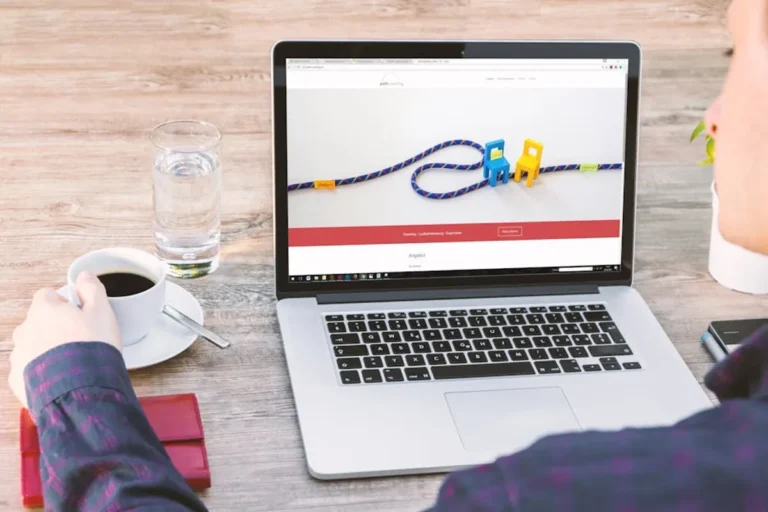
4. No personal website
Even in 2026, most professionals don't have personal websites. The LinkedIn profile is treated as the only online presence needed. This concedes substantial control over how you're found and presented to a single platform with its own algorithmic priorities.
What to do instead: a simple personal website that you control. Even a single page with clear positioning, contact information, and links to your work provides assets that LinkedIn alone cannot. The site doesn't need to be elaborate; it needs to exist and to clearly represent you.
5. Outdated information across surfaces
The job that ended two years ago still listed as current. The bio that hasn't been updated since 2022. The portfolio piece that's no longer relevant. The accumulated outdated information creates impression of inattention to professional presence.
What to do instead: annual review of all online presence. Update what's outdated. Remove what's no longer relevant. The maintenance is modest; the cumulative effect on professional reputation is significant.
The systematic approach
For professionals wanting to improve online presence systematically:
- Audit current presence. What surfaces exist? What does each say? Where are the inconsistencies?
- Develop coherent positioning. What specifically do you offer? To whom?
- Update LinkedIn with the new positioning. Headline, summary, work descriptions all aligned.
- Build or update personal website. Even simple is better than nonexistent.
- Plan content strategy. What will you write/share, on what schedule, for what audience?
- Maintain consistency. Annual reviews to catch drift.
This approach takes a few weekends to execute initially and modest maintenance ongoing. The compounding across years is significant.
The case against doing nothing
The default for many professionals is doing nothing about online presence. The presence that exists is whatever LinkedIn auto-suggested years ago plus whatever happens to have accumulated.
This default has consequences. Career opportunities that flow through online discovery don't reach professionals whose presence doesn't support discovery. The cost is invisible — the opportunities that would have come don't come, and there's no signal that they're missing.
Active management of online presence isn't about performing for algorithms; it's about ensuring that when people search for the kind of professional you are, they can find you and understand what you offer.
The takeaway
Online presence is part of professional infrastructure now. Neglecting it has career costs even when those costs aren't visible. The five mistakes above are the most-common contributors to weak professional online presence; addressing them produces meaningful improvement.
For your own online presence, audit against the list. Address the gaps. The work is modest; the results compound across the career.